


The Nature of Gambling
Gambling has long been a source of excitement and entertainment, rooted in the interplay between chance and strategy. At its core, gambling involves placing a wager on uncertain outcomes, whether in games of chance like slots or games of skill like poker. Many enthusiasts also discuss the importance of finding a reliable platform, especially one with options for casino fast withdrawal uk , which can enhance the overall gaming experience. This dichotomy raises the question: how much of gambling success is attributable to luck, and how much can be managed through skill? Delving into this topic reveals the nuances of how these elements coexist, often determining the experiences of both casual players and seasoned gamblers.
Luck is the element that most people associate with gambling, characterized by the randomness inherent in many games. The roll of the dice, the shuffle of a deck of cards, or the spinning of the roulette wheel are all dictated by chance. Luck can produce significant wins in an instant, allowing players to experience thrilling highs. However, it’s essential to recognize that while luck plays an undeniably vital role, its influence can fluctuate wildly, creating a volatile environment where outcomes are unpredictable.
Conversely, skill introduces a layer of strategy that can be employed to enhance decision-making within certain games. In competitions such as poker or blackjack, players who understand the intricacies of the game can implement tactics to improve their chances of winning. This interplay of luck and skill illustrates that gambling is a multifaceted experience; while sheer luck might favor someone on a particular day, comprehensive knowledge and experience can yield consistent results over time.
The Role of Luck in Gambling
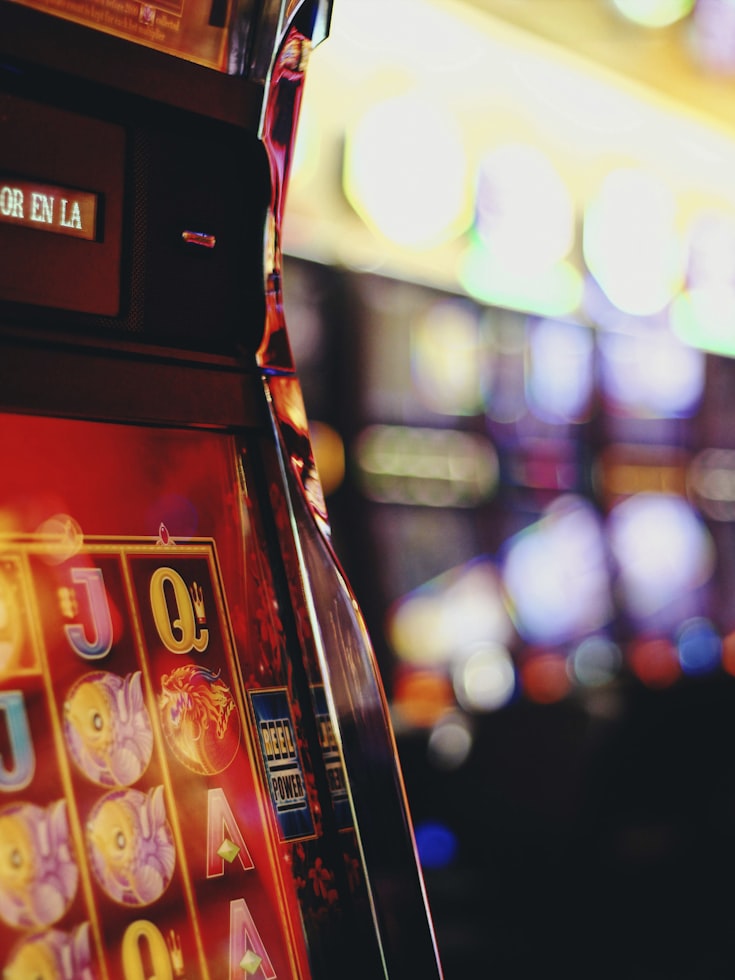
Luck serves as one of the most captivating aspects of gambling, largely because it is unpredictable and uncontrollable. The randomness of certain games means that, regardless of a player’s experience or knowledge, they can only rely on fortunate circumstances to determine outcomes. In games like slots or lotteries, every spin or ticket purchase represents a separate chance for success, and the results hinge purely on probability. This reliance on luck can lead to great excitement, as players hope that the odds will align in their favor.
Understanding how luck operates in gambling also requires an acknowledgment of the psychological impact it can have on players. Many gamblers experience what is known as the “gambler’s fallacy,” believing that previous results can influence future outcomes. For example, one might think that a certain number on a roulette wheel is “due” to hit after several consecutive misses. This misconception highlights how the perception of luck can skew judgment, making it essential for gamblers to maintain a clear understanding of probability and randomness.
The significance of luck is also evident in high-stakes games, where even experienced players can face unexpected twists due to chance. For instance, in a poker game, a player might execute a perfect strategy, only to lose a hand due to an unfavorable card draw. These situations illustrate that, while skill can enhance a player’s prospects, luck ultimately governs the final results. This balance between fortune and strategy creates a dynamic that keeps players engaged, fostering an environment of uncertainty that defines the gambling experience.
The Influence of Skill in Gambling
While luck may dictate the outcomes in certain gambling scenarios, skill plays a crucial role, especially in games where strategic thought can sway the odds. Games like poker, blackjack, and sports betting allow players to utilize knowledge, strategy, and decision-making skills to increase their chances of winning. Understanding game mechanics, calculating probabilities, and recognizing opponents’ tendencies are all aspects where skill can make a marked difference. This ability to employ strategy highlights the importance of preparation and practice for those looking to succeed in skilled gambling environments.
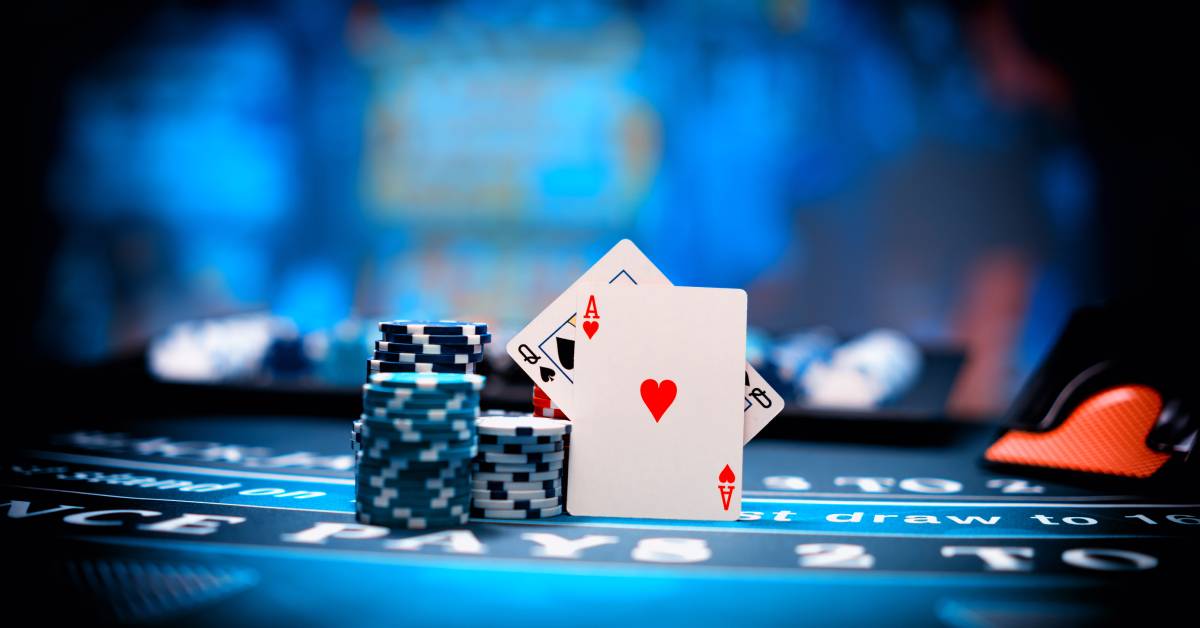
In poker, for instance, a skilled player will analyze the table dynamics, assess the strength of their hand relative to the betting patterns of their opponents, and make calculated decisions based on this analysis. This involves a level of psychological understanding that goes beyond mere luck. By successfully reading their opponents and managing their own betting strategies, skilled players can frequently come out on top over time, illustrating how skill can mitigate the effects of bad luck.
The importance of skill extends beyond poker to encompass other games where strategy is paramount. In blackjack, for example, players can use card counting techniques and basic strategy to gain a statistical edge over the house. While luck will always play a role in any individual hand, skilled players can dramatically improve their long-term odds. This intersection of skill and luck emphasizes that while one might not always control the outcome, having the right skills can provide a more consistent pathway to success.
How Luck and Skill Interact
The interaction between luck and skill in gambling creates a complex environment that both challenges and captivates players. While it might be easy to attribute success or failure solely to luck, a more nuanced perspective reveals a relationship where skill can amplify the effects of fortune. For instance, a player who consistently employs effective strategies may frequently find themselves in favorable positions, thus harnessing luck when it comes their way. This dynamic interplay results in an unpredictable game landscape, where the best players are those who can effectively navigate both elements.
Moreover, the relationship between luck and skill highlights the importance of emotional resilience in gambling. Players often encounter losing streaks, where bad luck may overshadow their strategic prowess. Those who possess strong emotional control can maintain focus and continue to rely on their skills rather than giving in to the frustrations of short-term outcomes. This psychological aspect further illustrates how skill acts as a buffer against the inherent volatility of luck.
Understanding this interaction fosters a well-rounded approach to gambling, encouraging players to respect both elements. While luck can deliver unexpected rewards, skills provide the tools necessary to capitalize on those opportunities. Ultimately, successful gambling involves finding that delicate balance, allowing players to enjoy the thrill of chance while honing their skills to bolster their gameplay. Recognizing when to rely on luck and when to apply skill can be the difference between merely playing and achieving consistent success.
Explore More on Our Website
For those intrigued by the nuanced relationship between luck and skill in gambling, our website offers a wealth of resources tailored to enhance your understanding. We provide a range of articles, guides, and strategies designed to help both novice and experienced players navigate their gambling journey more effectively. Our goal is to equip you with the knowledge necessary to make informed decisions, whether you are playing for fun or aiming for more serious wins.
In addition to educational content, our platform also fosters a community dialogue where players can share their experiences, strategies, and insights. Engaging with other players allows for a richer understanding of the gambling landscape, where shared wisdom can enhance individual skills. We believe that learning from your peers can be just as valuable as studying strategies, creating a supportive environment for anyone interested in gambling.
As you explore our website, you’ll find a treasure trove of information to help you embrace both the thrill of luck and the importance of skill in gambling. Whether you’re looking to refine your strategies, understand the odds, or simply engage with like-minded individuals, we invite you to join our community and deepen your gambling experience. Our platform is dedicated to helping players navigate the exciting world of chance and strategy, ensuring that your journey is as rewarding as possible.